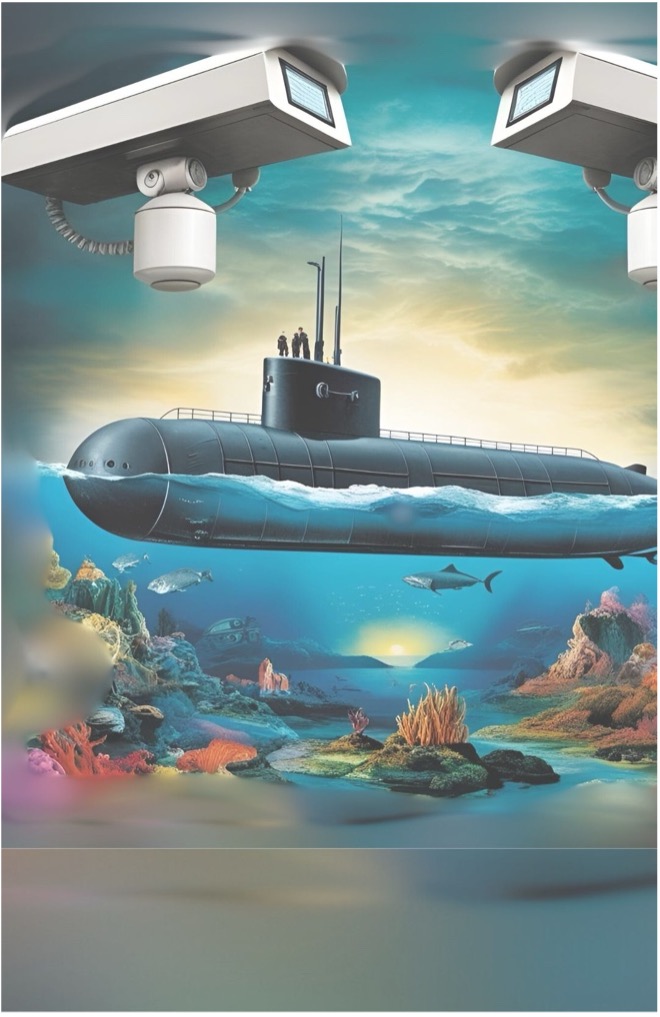
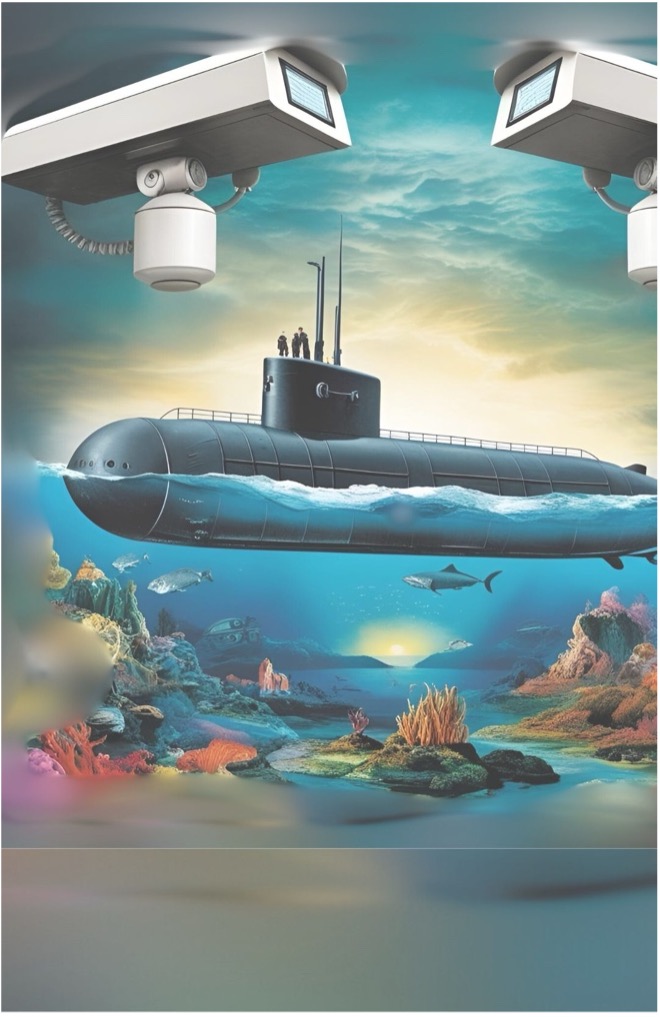
From fiction to fact isn’t as improbable as you may think. It’s the story of human innovation and progress, and it all comes from someone’s imagination. Space travel, video calls, and AI companions were the stuff of sci-fi writers long before they became technical realities.
Jules Verne imagined submarines in the 1800s, and the idea of mass surveillance came straight from the imagination of George Orwell in his book ‘1984’. From the screenwriters of Star Trek came wireless communication devices, and now smartphones are part of our daily lives.
The line between fact and fiction is blurring faster than ever. Fictional worlds that challenge the limits of possibility often light the way for engineers, scientists, and thinkers. Some tech companies even hire sci-fi authors to come up with possible future products. When you think about it, fictional ideas are simply concepts that the real world hasn’t considered yet.
Ultimately, fictional ideas, whether good or bad, are what shape our reality. The problem then becomes which fiction should become fact, and why. Because once that decision is made, there’s no going back.


Leave a comment